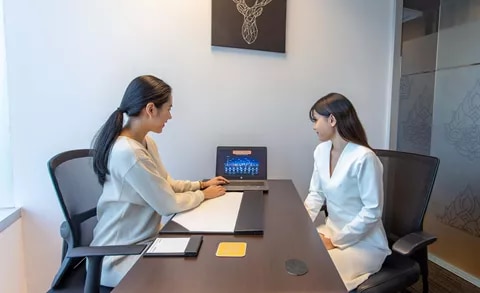
Multinational corporations running project teams in Singapore need workspace that moves at the speed of delivery. Traditional leases lock organisations into fixed footprints and multi-year commitments, which rarely suit initiatives with defined timelines or fluctuating headcount.
Executive office suites offer a practical alternative. These fully operational workspaces support rapid mobilisation while keeping capital expenditure and contractual risk under control. As project cycles compress and regional teams become more fluid, some organisations now treat swing space as a deliberate real estate strategy rather than a temporary fix.
This article explores why serviced suites work well for MNC project teams in Singapore, with a focus on cost control, deployment speed, and operational flexibility.
Why project teams need swing space in Singapore
Project teams operate differently from permanent business units. Timelines are fixed, staffing fluctuates, and delivery pressure runs high. In Singapore, where many office commitments tend to be long-term and capital intensive, this can create friction between how projects run and how space is typically procured.
Swing space closes that gap. It provides offices that exist for the life of the project rather than the life of the company. Securing space quickly and releasing it once objectives are met avoids the cost of fitting out permanent offices for teams with limited tenure.
Common use cases include:
- Regional initiatives and market entry pilots
- System migrations and technology rollouts
- Regulatory programmes requiring dedicated teams
- Cross-border projects with mixed staffing models
There's also a governance angle. Project teams often include local staff, secondees, and external consultants. Housing them in flexible, self-contained offices simplifies access control, onboarding, and oversight while keeping headquarters functions insulated from short-term disruption.
Speed of deployment and reduced setup costs
Speed is one of the main reasons MNC project teams choose serviced suites. Traditional office setups in Singapore can take considerable time to negotiate, design, and fit out. For project-led work, that delay can mean lost productivity and increased delivery risk.
Serviced suites remove these barriers. Offices arrive fully furnished, IT-enabled, and ready to use from day one. Project leaders can align workspace availability with kick-off dates rather than waiting on real estate timelines.
|
Factor
|
Serviced suite
|
Traditional lease
|
|
Time to occupy
|
Days to weeks
|
Months
|
|
Furniture and fit-out
|
Included
|
Tenant-funded
|
|
IT and connectivity
|
Ready on arrival
|
Requires setup
|
|
Internal approvals
|
Simplified
|
Multiple sign-offs
|
For fast-moving initiatives like system implementations or regional rollouts, this alignment supports stronger delivery outcomes. Setup expenses that would normally sit outside the lease are bundled into a single fee, reducing the administrative load on procurement and finance teams.
Cost control and risk containment for project-based teams
Project budgets come with defined scopes, timelines, and cost ceilings. Traditional leases introduce variables that sit outside these controls: long commitments, sunk fit-out costs, and exit penalties if requirements change.
Serviced suites help contain that exposure by aligning occupancy costs with project duration. Agreements are often structured around shorter terms, so teams occupy space only as long as needed. This can prevent real estate from becoming a stranded cost once a project wraps up or changes direction.
Key cost control benefits include:
- Bundled pricing that simplifies cost allocation to specific projects
- Predictable monthly charges that suit project accounting practices
- No depreciation of fit-out assets to manage
- Clearer visibility for finance teams tracking project spend
For MNCs running multiple projects at once, this structure reduces cumulative financial risk and keeps workspace expenses within approved budgets.
Location flexibility and access to key business districts
For project teams, location is about proximity to clients, partners, regulators, and internal stakeholders for the duration of the work. Traditional leases can limit options due to availability, long commitments, or the need to justify fit-out investment. This may push teams into less convenient areas.
Serviced suites can provide access to prime business districts without permanent occupancy decisions. Project teams may base themselves in the CBD or decentralised hubs near transport links, government offices, and corporate clusters. This improves meeting efficiency and reduces friction when coordinating with external parties.
Location flexibility also supports cross-border staffing. Visiting executives, secondees, and consultants can work from a central, well-serviced base without the complexity of integrating into a permanent headquarters. Project operations stay distinct while still benefiting from professional infrastructure.
Operational separation without isolation
Balancing autonomy for project teams with alignment to central governance is a common challenge. Housing temporary teams in permanent headquarters can create disruption, security complexity, and competing demands on shared resources. But isolating teams too far from the core organisation can slow decisions and dilute accountability.
Serviced suites offer a middle path. Project teams work in self-contained environments with dedicated meeting rooms, secure access, and independent workflows. This reduces friction with business-as-usual operations while maintaining professional standards.
What's typically handled by the serviced suite provider:
- IT infrastructure and connectivity
- Reception and administrative support
- Facilities management and maintenance
- Meeting room booking and AV equipment
This frees teams to focus on delivery. And because serviced suites are usually close to major transport nodes and business districts, executives can engage with project teams easily when needed. Once objectives are met, teams disband cleanly without leaving residual space, systems, or obligations behind.
Why serviced suites work well for project-led work
As project delivery models evolve, MNCs are placing greater emphasis on speed, accountability, and risk containment. Workspace decisions are no longer background logistics. They can either support or constrain project performance, and serviced suites align well with these priorities.
The shift reflects broader organisational change. Project teams today are more likely to be cross-functional, regionally distributed, and supplemented by external specialists. Fixed offices designed for permanent departments can struggle to accommodate this fluidity.
|
Project need
|
How serviced suites help
|
|
Rapid team formation
|
Move-in ready offices with short lead times
|
|
Defined budget envelope
|
Bundled pricing with no hidden costs
|
|
Clean exit at project end
|
Flexible terms with minimal exit obligations
|
|
Internal approval efficiency
|
Standardised service levels simplify sign-off
|
Clear entry and exit points, defined cost envelopes, and standardised service levels can simplify internal approvals. This may make serviced suites easier to justify to procurement, finance, and risk committees than bespoke short-term leases or temporary fit-outs.
Frequently Asked Questions